Identify the selling unit
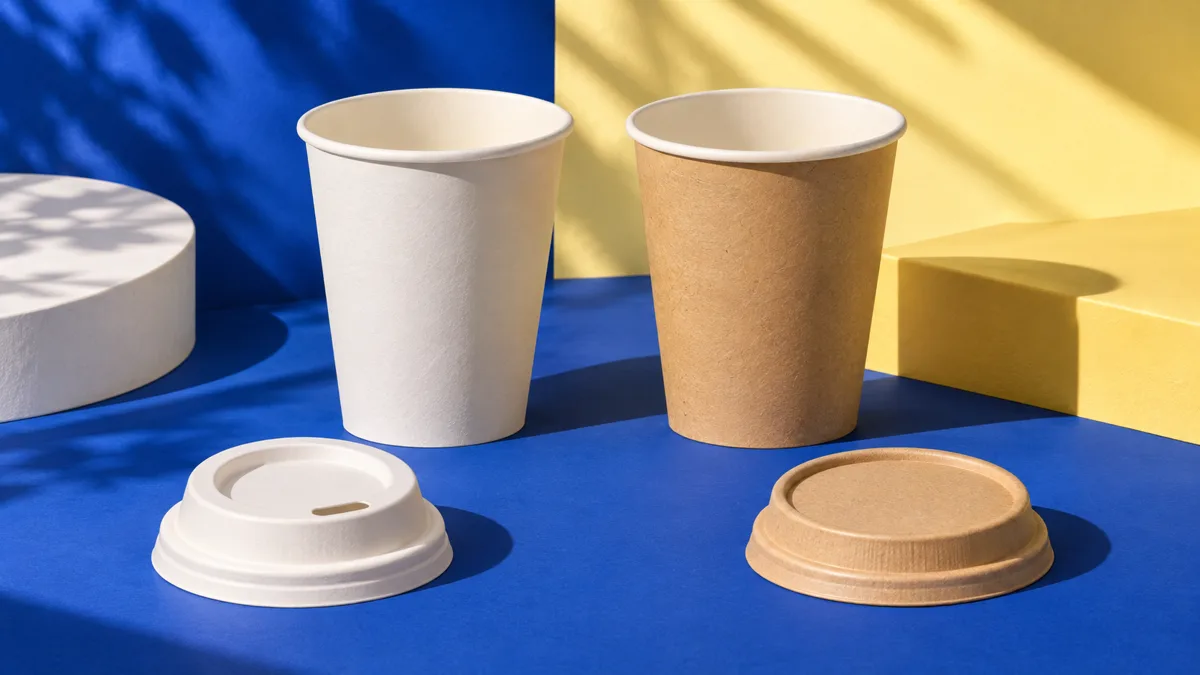
A product image can show a covered cup while the selected offer sells cups only. The three cup records here are separate cup offers. Choice 50012W is 1000 cups per case;50012DWALLW is 500 cups per case;EP-BHC12-WA is 1000 cups per case at the selected retailer. A compatible lid is a separate item unless the actual selected listing says it is included.
Keep accessories outside the count
Sleeves, carriers, stirrers and lids have their own selling units. A carton containing 1000 cups does not contain 1000 complete takeaway assemblies merely because a photograph shows a lid. The selected Choice hinged lid sells 1000 per case, while the selected EcoLid retailer offer sells 800 per case. Those quantities require separate lines rather than a single “one case” assumption.
A practical assembly example
If a business chooses a target of 1000 covered cups and starts with no stock, the selected Eco-Products 1000 cup case supplies the cup target. One 800 lid case is short by 200 lids;two cases supply 1600 lids and leave 600 above that chosen target. The excess is a pack-format outcome, not a recommendation to use more lids or an estimate of future demand.
Do not double count a sleeve
A listed inner pack can be a subdivision of the case. Eco-Products’current maker fields show 20 packs of 50 cups per 1000 case. That does not mean 1000 plus 20 times 50. Likewise, a separate small-pack retail option can have a different price from the case-equivalent inner-pack figure. Keep physical packaging structure apart from the offer selected for checkout.
Budget the actual basket
The basket tool lists each component’s quantity and merchandise base independently. It does not add a lid silently, assume free sleeves or treat a carrier as a cup. Unknown shipping and tax remain outside the displayed known base. When a chosen item is not one of the documented pairings, the tool cannot establish a complete compatible kit just by adding the prices.
Check the received carton
Before opening every sleeve, compare the cup and lid codes, case quantities and any included-component statement with the order. If a substitution or shortage appears, resolve it with the seller while retaining packaging and purchase records. This reference has not received or assembled the goods. It provides a count structure that can be checked without inventing an actual order experience.
Count complete assemblies separately
A carton with 1000 cups and a separate carton with 800 lids can make at most 800 count-supported covered assemblies before any actual inspection. It does not make 1800 takeaway sets. Conversely, if a real selected listing explicitly sells a cup-and-lid kit, its stated included counts would need their own record. None of the three selected cup offers is treated that way here. Keep the deliverable definition visible so a quote for cups only is not compared with another quote that includes lids or presentation parts.
Sources & scope
Checked November 4, 2026. Manufacturer and retailer references support the specific statements. Dated displayed prices are not final checkout quotes, performance rankings or performance testing. This shopping reference does not replace the exact product label or qualified individual advice. Exact technical-use conditions and independent content/commerce review remain pending.
WebstaurantStore: Choice50012W selected1000case ↗
WebstaurantStore: Choice50012DWALLW selected500case ↗
Key Compostables: EP-BHC12-WA1000case one-time offer ↗
Keep reading
Case, pack and each are different purchase choices ↗
Why 1000 cups can require two 800 lid cases ↗
A cup-and-lid basket needs two lines and an honest subtotal ↗